A communications failure in East Timor and the decision to restore capability before completing perfect paperwork.
Listen to the original narration
The military runs on rigorous documentation. Records, orders and approvals matter. But effective military teams also understand that documentation supports the mission—it is not the mission.
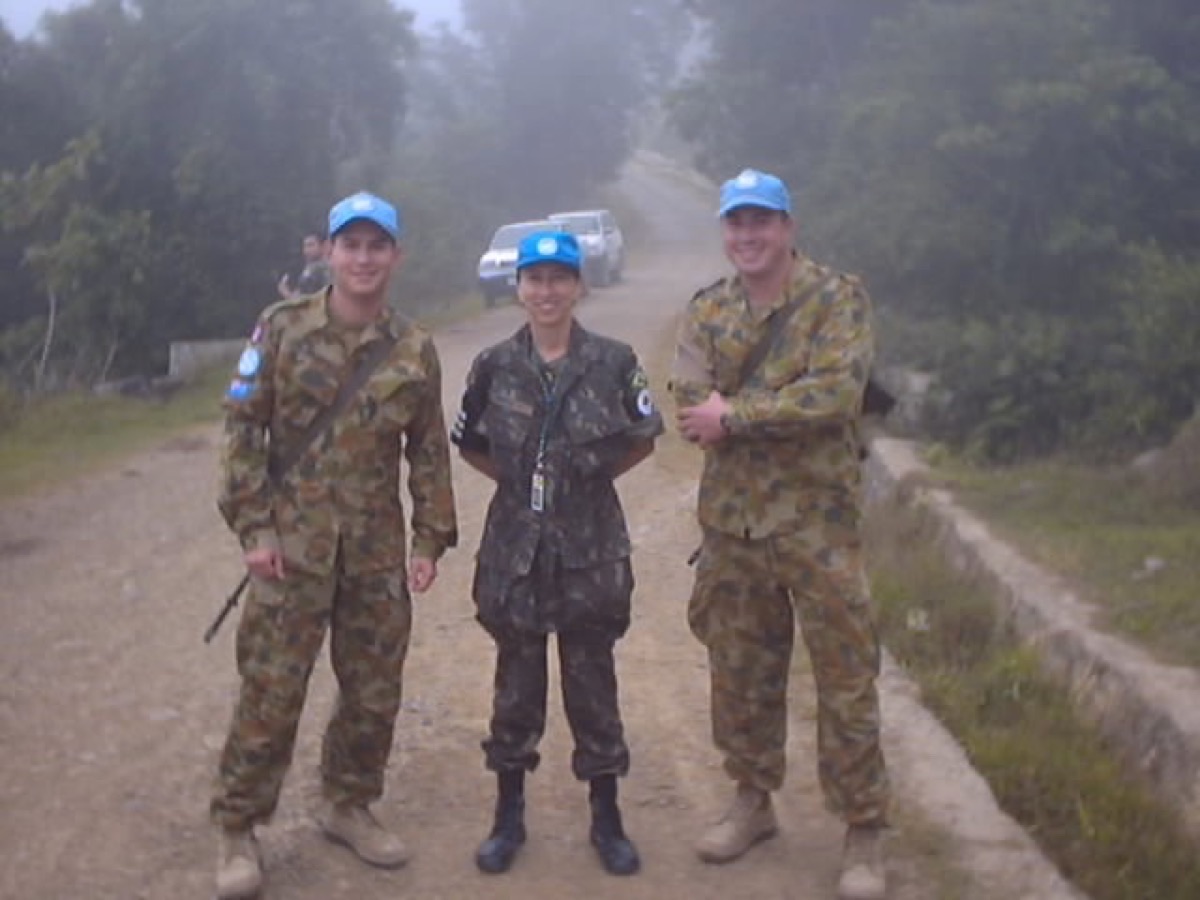
The night the network went dark
On my first deployment as a Signalman I was based in Maliana, East Timor, close to the Indonesian border. One night our network server blue-screened and the communications system went dark.
We had two broad options. We could begin the paperwork required to order a replacement server and wait, or we could use what was available and try to restore the capability. We chose the working solution.
Our Sergeant sent a situation report by radio. The team found spare hard drives, rebuilt the server and restored the backup. By sunrise the network was working again. A new server arrived about a week later, supported by the documentation that was necessary—not by paperwork that delayed the immediate response.
Control the what. Enable the how.
Australian Army signals doctrine distinguishes the commander’s control of what the network must achieve from decentralised execution of how that result is delivered. That separation gives trained people room to act when the situation demands it.
Value ideas and working solutions. Do not get buried in paperwork while the capability remains offline.